
A great product deserves a great introduction. Product rollout event planning is the process that turns your new product into a moment people remember. When it is done well, guests understand your product, feel excited, and talk about it long after the event ends.
Product launch event planning can feel big, but it becomes easy when you break it into clear steps. This guide explains each step in simple words. Use it as a roadmap for your next corporate product launch.
What Is Product Rollout Event Planning?
Product rollout event planning means organizing every part of an event that introduces a new product to customers, partners, or the media. It covers goals, budget, venue, guest list, program, and follow up. A product rollout event is not just a party. It is a planned business activity.
A product unveiling event is one common format. The product stays hidden until a special reveal moment. Other formats include demo days, press briefings, and private previews for key customers.
Why a Product Launch Event Matters
A product launch event gives people a real experience with your brand. Guests can see, touch, and test the product. This builds trust faster than an ad or an email can.
A strong event also creates content. Photos, videos, and guest reviews can support your marketing for weeks. Media guests may write about the launch, which brings extra reach without extra ad spend.
Most of all, a successful product launch gives your team a strong start in the market. Sales teams feel confident, partners feel included, and early buyers feel valued.
Step 1: Set Clear Goals for Product Launch Planning
Every good plan starts with a goal. Ask what you want the event to achieve. Do you want sales leads, press coverage, social media buzz, or early orders? Product launch planning works best with one main goal and two small supporting goals.
Then turn each goal into a number. For example, aim for 150 guests, 40 qualified leads, or 20 media mentions. Numbers help you judge success after the event and improve the next one.
Step 2: Know Your Audience
Your guests shape every decision. A tech audience may enjoy live demos, while a retail audience may prefer a hands on display. Think about their age, interests, and the problem your product solves for them.
Make a guest list with clear groups, such as customers, partners, media, and influencers. Each group may need a different invitation message and a different experience at the event.
Step 3: Create a Product Rollout Strategy
A product rollout strategy is your timeline from the first teaser to the final thank you. Start a teaser campaign two to four weeks before the event. Share short hints on social media and email so people feel curious.
On the event day, keep the story simple. Pick one key message you want guests to remember. After the event, send a thank you note, share photos, and offer a special deal to attendees.
Plan your budget early too. Set aside money for the venue, food, tech, decor, and staff. Keep about ten percent as a backup fund for surprises.
Product Launch Event Ideas That Work
The best product launch event ideas match your brand and your product. Here are some options that suit many businesses:
- Live demo stations where guests can test the product
- A dramatic reveal with lighting, music, and a countdown
- A short panel talk with experts or founders
- Behind the scenes stories that show how the product is made
- Photo corners and branded gifts that guests can share online
- Private VIP previews for top clients and media
Pick two or three ideas, not all of them. A focused event feels smoother and costs less.
Product Launch Event Decor and Atmosphere
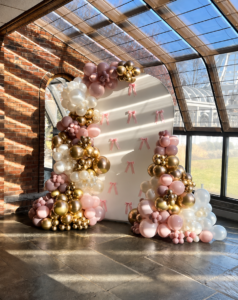
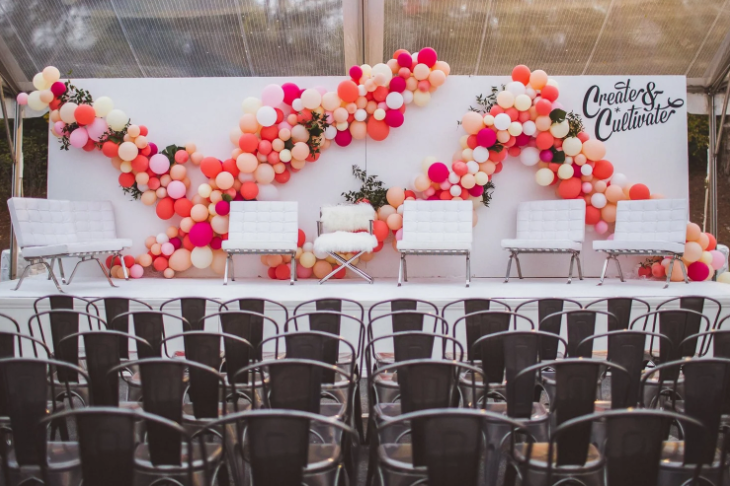
Product rollout event decor sets the mood the moment guests walk in. Use your brand colors, logo, and fonts so the space feels connected to your product. Clear signs and open walkways also help guests move with ease.
Lighting makes a big difference. Soft spotlights on the product draw attention, while warm lighting in lounge areas helps people relax and talk. A branded backdrop gives guests a great spot for photos.
Keep the product as the star. Decor should support it, not hide it. Simple displays, fresh flowers, and a few bold features often look better than too many props.
Product Launch Event Checklist
A product launch event checklist keeps your team calm and organized. Here are the main items to track:
- Final goals, budget, and event date
- Venue booking and permits
- Guest list, invitations, and RSVP tracking
- Program schedule with speakers and the reveal moment
- Sound, lighting, screens, and internet test
- Decor, signs, and product displays
- Food, drinks, and staff plan
- Photo, video, and social media plan
- Follow up emails and lead tracking
Launch Event Planning Tips for a Memorable Product Launch
A memorable product launch comes from small details done well. Start planning at least eight to twelve weeks early. This gives you time to book the best venue and vendors.
Run a full rehearsal before the event. Test the microphone, slides, music, and the reveal moment. Most problems are easy to fix when you find them early.
Think about the product launch experience from the guest point of view. Is check in quick? Is the product easy to see? Can guests ask questions? Small comforts like seating, water, and clear signs make guests feel cared for.
Finally, keep the program short. Ninety minutes to two hours is enough for most launches. End while guests are still excited.
Planning a Corporate Product Launch
A corporate product launch often has more people involved, such as executives, sales teams, and partners. Share the plan with everyone early. Choose one main decision maker so approvals do not slow you down.
Brand rules matter too. Check that slides, signs, and speeches follow your company style. Prepare a short media kit with product facts, photos, and contact details for press guests.
How to Measure Your Launch Results
Measuring results shows what worked and what to change. Compare your final numbers with the goals you set at the start. Look at attendance, leads, sales, social media reach, and media mentions.
Ask guests for quick feedback with a short survey. Their answers can reveal small problems you did not notice. Use these notes to make your next event even better.
Why Hire a Professional for Event Planning for Product Launches
Event planning for product launches has many moving parts. A professional planner handles vendors, timing, and design so your team can focus on the product and the guests.
At Festive Events by Natalya, we help brands create smooth and stylish launches. If you want expert support with product rollout event planning, visit our product rollout services page to see how we can help.
Conclusion
A strong launch starts with clear goals, a smart plan, and a guest focused experience. Follow the steps above, use the checklist, and keep your message simple. With careful preparation, your event can turn a new product into a talked about success.
FAQs
1. What is product rollout event planning?
It is the process of planning and running an event that introduces a new product. It includes goals, budget, venue, guests, program, and follow up.
2. How early should I start planning a product launch event?
Start at least eight to twelve weeks before the event. Larger launches may need even more time.
3. What should a product launch event checklist include?
It should cover the venue, guest list, schedule, tech setup, decor, food, marketing, and follow up tasks.
4. How long should a product launch event be?
Most events work well in ninety minutes to two hours. This keeps guests focused and excited.
5. What makes a product launch successful?
Clear goals, a simple message, a smooth guest experience, and good follow up after the event.