A product rollout is your chance to introduce something new to customers, partners, and the press in a way they will remember. The product matters, but so does the room around it. Guests form an opinion within minutes, and that opinion often comes from how the event looks, feels, and flows.
Planning a product rollout event takes more than booking a space and sending invites. You need a clear goal, a realistic schedule, a strong visual look, and a team that knows what happens at each moment. This guide walks through each step in a simple order so you can plan with confidence.
Step 1: Define the Goal of Your Product Launch Event
Before you pick a date or a color, decide what the event must achieve. A product launch event can have very different goals, and each one changes the plan.
Common goals to choose from
- Build excitement and get media attention
- Show the product to customers or buyers
- Thank partners and early supporters
- Collect leads and feedback
Write your main goal in one sentence. Every later choice, from the guest list to the stage design, should support that sentence. If a detail does not help the goal, it can usually be removed.
Know your audience
Think about who will walk through the door. Industry buyers expect a polished and professional setting. A group of loyal customers may enjoy a warmer and more relaxed mood. Knowing your audience helps you choose the right tone, the right length of program, and the right level of formality.
Step 2: Set Your Event Budget Early
Your event budget shapes almost everything else, so settle it before you start booking. Many first time planners forget small costs, and those costs add up quickly.
Budget items to include
- Venue rental and any extra fees
- Decor, signs, and backdrops
- Audio, lighting, and screens
- Food and drinks
- Printed materials and gifts
- Staff, delivery, setup, and breakdown
- A backup amount for surprises
A good habit is to set aside about ten percent of the total for last minute changes. It is much easier to plan around a reserve than to find extra money the week of the event.
Step 3: Build a Clear Event Timeline
A realistic event timeline keeps everyone calm. Work backward from the launch date and give each task a due date and an owner.
A simple planning schedule
- Eight to ten weeks before: Confirm the goal, budget, date, and venue.
- Six to eight weeks before: Choose your decor style, book vendors, and plan the program.
- Four to six weeks before: Send invitations and finalize the design of backdrops and signs.
- Two weeks before: Confirm the guest count, review the run of show, and brief your team.
- One to two days before: Deliver materials and begin the venue setup.
- Event day: Final checks, doors open, and the launch begins.
Larger launches may need more time. If your design includes custom pieces, give your decor team enough notice, because handmade items cannot be rushed without losing quality.
Step 4: Choose the Right Venue and Plan the Venue Setup
The venue should fit your guest count, your program, and your brand. A space that is too large can feel empty, and a space that is too small can feel stressful.
Questions to ask before you book
- Is there a clear spot where guests will see the product first?
- How early can vendors enter for setup?
- Are there rules about hanging items, using balloons, or placing stands?
- Is there enough power for lights, screens, and sound?
- How will guests move from the entrance to the main area?
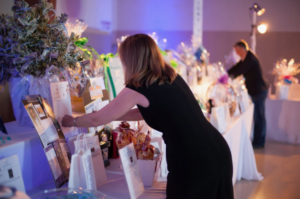
Walk the space before you commit. Take photos and measurements. A good venue setup plan shows where the entrance, stage, product display, photo area, and refreshments will go, so there are no surprises on the day.
Step 5: Create a Strong Brand Experience Through Design
Design is where your product rollout starts to feel real. A strong brand experience means the colors, shapes, signs, and displays all tell the same story as your product.
Use your brand colors with purpose
Pick two or three main colors from your brand and repeat them across the room. Too many colors can feel messy. A simple palette feels confident and clean.
Make the product the star
Give the product its own spotlight. A clean stand, soft lighting, and a clear view help guests focus on what matters. Decor should frame the product and never block it.
Use event decor to set the mood
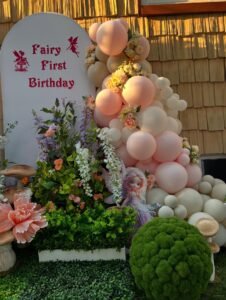
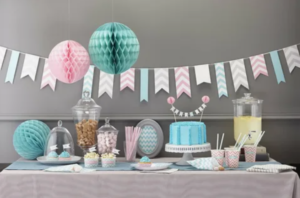
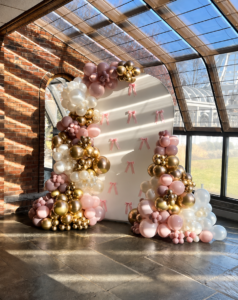
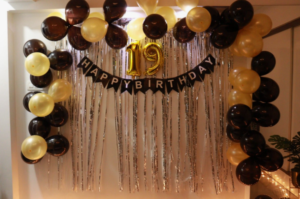
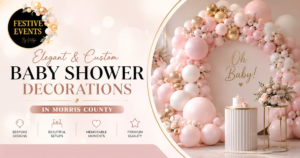
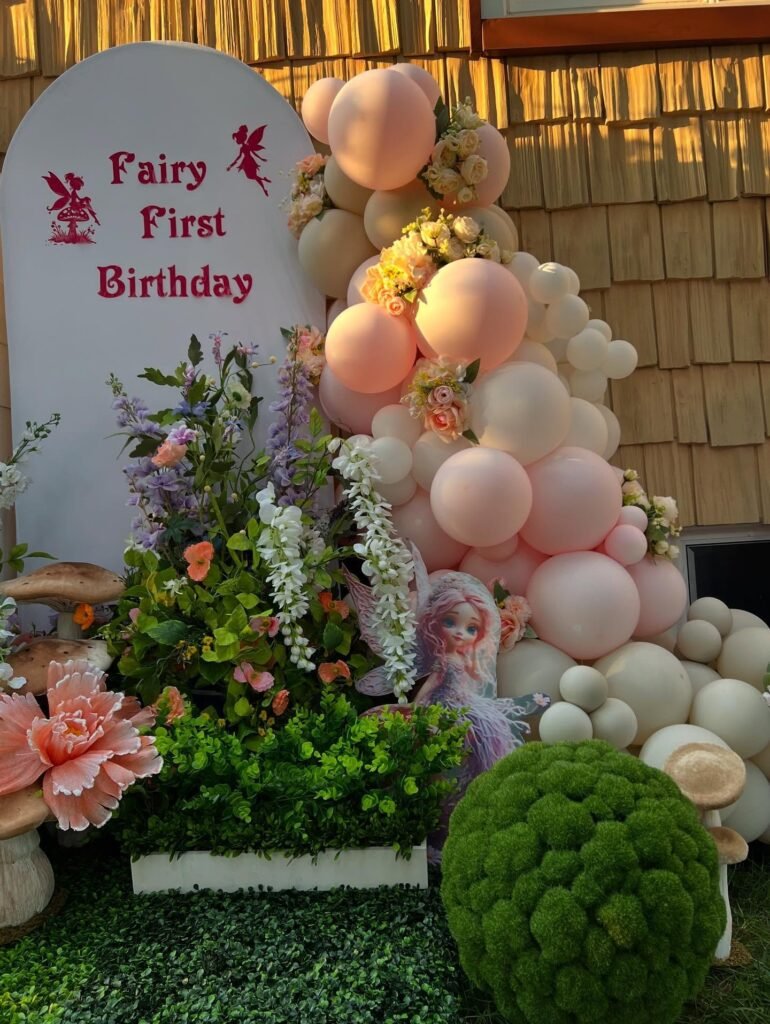
Good event decor does more than fill empty space. It guides guests, creates photo moments, and gives your launch a sense of occasion. Custom backdrops are especially useful for product rollouts. They give you a branded spot for photos and press shots, and they make the entrance feel special. Organic balloon installations, floral accents, and personalized signs can add height, color, and texture without making the room feel crowded.
If you work with a decor team, share your brand colors, logo, and a few inspiration images early. The more clearly you describe your vision, the closer the final result will be to what you imagined.
Step 6: Plan the Guest Experience From Start to Finish
The guest experience begins before anyone arrives and ends after they leave. Think through each step a guest will take.
Before the event
Send clear invitations with the date, time, dress code, and parking or arrival notes. A short reminder a few days before helps with attendance.
At arrival
Make check in quick. A friendly greeter, a simple sign, and a clear path help guests feel welcome right away. A branded backdrop near the entrance gives people a natural place to take photos and share them.
During the program
Keep the program focused. Most guests enjoy a short welcome, a clear product reveal, a brief demonstration, and time to explore. Long speeches can cause people to lose interest.
After the event
Send a thank you message within a day or two. Include photos, product details, and a simple next step, such as a link to learn more or a way to place an order.
Step 7: Prepare the Run of Show and Test Everything
A run of show is a minute by minute plan for the event day. It lists who does what, when, and where.
What to include
- Setup and vendor arrival times
- Sound check and screen test
- Time for the product reveal
- Speaker order and timing
- Photo moments
- Breakdown time
Do a quick rehearsal if you can. Test the microphone, slides, lighting, and any reveal moment, such as a curtain drop or a backdrop unveiling. Small tests catch problems that would be awkward in front of guests.
Step 8: Handle Delivery, Setup, and Breakdown
Many planners focus on design and forget the physical work. Decor and display pieces need to be delivered, installed, and removed, and all of it takes time.
Confirm with your vendors who handles each task. A decor team that offers delivery, setup, and breakdown can save you a lot of stress, because your own staff can stay focused on guests. Also ask about the venue rules for load in and load out, so nothing is delayed on the day.
Step 9: Measure Results After the Launch
When the event is over, review how it went against your original goal. This step helps you improve the next one.
Simple ways to measure success
- Compare the number of attendees to your target
- Count new leads, sign ups, or orders
- Review photos, social posts, and press mentions
- Ask guests for short feedback
- Meet with your team to note what worked and what to change
Keep these notes in one place. They will make your next product launch event faster and easier to plan.
Common Mistakes to Avoid
- Starting too late and rushing key choices
- Skipping the budget reserve
- Using too many colors or too much decor
- Letting the decor hide the product
- Forgetting to test sound, lighting, and screens
- Ignoring the guest journey from entrance to exit
Most of these problems come from missing planning, not missing effort. A short checklist and a clear timeline prevent nearly all of them.
Final Thoughts
Planning a product rollout event becomes much easier when you take it one step at a time. Start with a clear goal, set a fair budget, build a realistic schedule, and design a space that supports your brand. Pay attention to the guest experience, test your setup, and review the results afterward.
If you want help turning your launch vision into a real space, a professional decor team can handle custom backdrops, balloon installations, floral accents, signs, and the full delivery, setup, and breakdown, so you can focus on your product and your guests.
Frequently Asked Questions
How far in advance should I start planning a product rollout event?
Most events benefit from eight to ten weeks of planning. If your launch includes custom decor, large guest lists, or media guests, start even earlier so vendors have enough time to prepare.
What is the first step in planning a product rollout event?
The first step is to define your goal. Decide whether you want media coverage, sales, partner relationships, or customer feedback. Your goal guides the guest list, venue, budget, and design.
How much should I budget for a product launch event?
There is no single number, because costs depend on guest count, venue, food, decor, and technology. List every expected cost, add a reserve of about ten percent, and adjust the scale of the event to fit your total.
How can decor help my product rollout stand out?
Decor sets the mood, guides guests through the space, and creates photo moments. Branded backdrops, matching colors, and clean displays make your product look important and help guests remember the event.
How many guests should I invite?
Invite the number that your venue and budget can support comfortably. A smaller, well chosen group often creates a better experience than a crowded room. Plan for some guests to decline and track replies early.
What should be included in a product rollout event program?
A simple program usually has a welcome, a short story about the product, the reveal, a demonstration, and open time for guests to explore, ask questions, and take photos.
Should I hire professionals for decor setup?
Hiring a decor team is helpful when you want a polished look and a smooth schedule. Professionals can design to your brand, deliver the pieces, install them safely, and remove everything afterward.